Millimeter Wave Therapy: Opening a New Chapter in Green Healthcare
- winni
- February 02, 2026
- 149
- 0
- 0
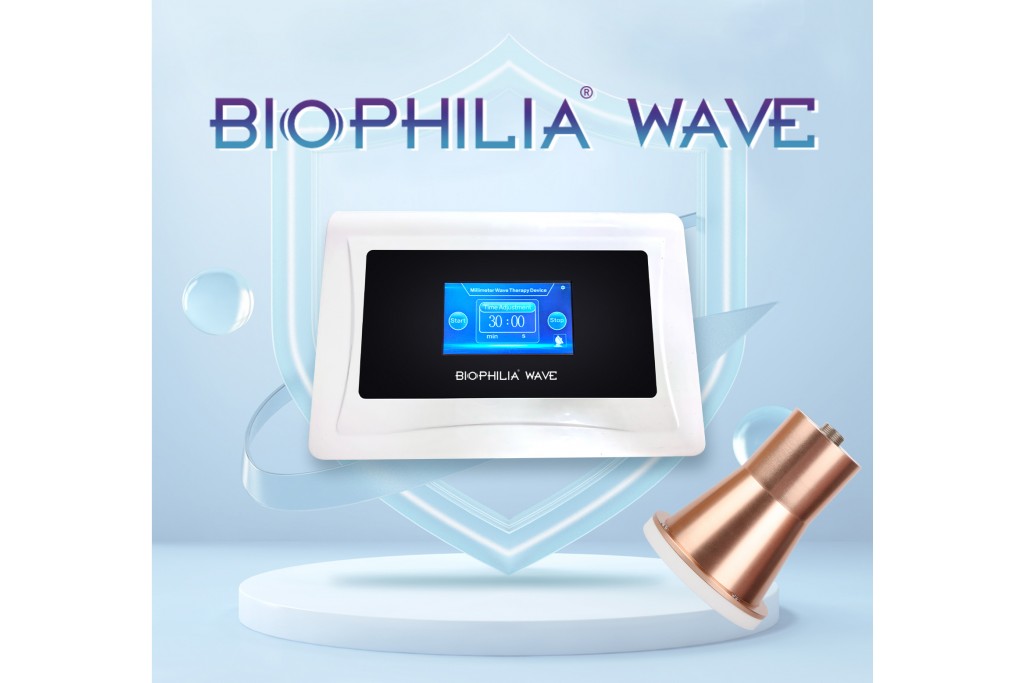
In the field of modern healthcare, non-invasive and side-effect-free treatment methods have always been a research and application hotspot. As a leading option, millimeter wave therapy has gradually moved from medical research to clinical practice and even ordinary households, thanks to its unique mechanism of action and wide clinical applications. This green therapy centered on millimeter waves has shown remarkable advantages in pain relief, treatment of diabetic complications, adjuvant cancer therapy and many other fields, with a solid foundation in electromagnetics and biological principles behind it. Starting from the basic understanding of millimeter waves, this article will provide a comprehensive overview of the principles, characteristics, clinical applications and research progress of millimeter wave therapy.
I. What are Millimeter Waves? The "Medical Factor" Hidden in the Electromagnetic Spectrum
To understand millimeter wave therapy, it is first essential to clarify what millimeter waves are.
Millimeter waves are electromagnetic waves with a wavelength of 1-10 mm, corresponding to a frequency range of 30GHz-300GHz. They belong to high-frequency, short-wavelength and low-power electromagnetic waves. They also lie at the intersection of light waves and electromagnetic waves, hence they are also known as extremely high frequency electromagnetic waves.
Electromagnetic phenomena are ubiquitous in the environment we live in. Biological cells in the human body contain positive and negative ions such as potassium, sodium, calcium and magnesium. The uneven distribution of these ions inside and outside the cell membrane forms a potential difference, which in turn generates ionic currents and high-frequency electromagnetic waves. This makes it possible for the human body to produce biological effects with millimeter waves. The low-power characteristic of millimeter waves ensures that they do not cause ionizing damage to the human body, laying a safe foundation for their medical application.
II. Core Characteristics of Millimeter Wave Therapy: Safety, High Efficacy and Multi-dimensional Health Empowerment
The reason why millimeter wave therapy has become a much-watched green therapy lies in its unique characteristics that distinguish it from traditional treatments. These characteristics also endow it with irreplaceable advantages in clinical practice, and have been fully reflected in practical applications through clinical verification and equipment R&D optimization.
First and foremost, it is non-invasive and side-effect-free. The treatment process is painless, infection-free and drug-free, with no radiation or thermal damage, and no harm to normal human tissues, making it an internationally recognized green therapy.
Secondly, it offers bidirectional regulation and immune repair. It can regulate or restore the patient's immune function and improve the body's disease resistance. The bidirectional regulation effect restores the balance of the human body's physiological functions, which is also the key to its applicability in the conditioning of various chronic diseases.
Furthermore, it produces a distal effect combined with a time cumulative effect. Millimeter waves can be transmitted from the irradiation point to the deep lesion sites of the body through intercellular, neural, humoral and other pathways to achieve distal treatment. At the same time, their repair and regulation of cells have a time cumulative effect—the more treatment sessions, the more significant the biological effects on the body, and the more durable the curative effect with low recurrence rate.
Lastly, it has wide application scenarios. It can be not only applied in medical institutions such as hospitals, but also developed into household medical equipment suitable for ordinary families, making daily conditioning for patients with chronic diseases more convenient.
III. Mechanism of Millimeter Wave Therapy: Centered on Non-thermal Effect, Activating the Body's Self-repair Ability
Millimeter wave therapy does not treat diseases by increasing body temperature, and its core mechanism of action is the non-thermal effect, which is the most essential difference from traditional microwave thermotherapy. During treatment, millimeter waves do not produce thermal stimulation, but exert a significant effect on biological macromolecules, cells and visceral organs through specific pathways.
It generates resonance with the oscillation frequency of body cells, coordinates human physiological functions, promotes the growth of hematopoietic cells, tissue repair and regeneration, and accelerates inflammation absorption and ulcer healing. Through conduction pathways such as nerves, body fluids and meridians, it transmits biological activity from the irradiation point to the lesion site, regulating the body's state from the deep level rather than just acting on the surface. Additionally, it exerts a positive regulatory effect on the human body's immune cells, improves the phagocytic activity of macrophages, restores the functions of T cells and NK cells, and activates the body's own defense and repair systems to improve the condition from the root cause.
IV. Panoramic Clinical Applications: Covering Various Diseases, from Symptom Relief to Adjuvant Therapy
After years of clinical research and practice, the application scope of millimeter wave therapy has been continuously expanded, showing good results in the treatment and conditioning of various diseases.
In the area of diabetic complications, such as diabetic skin ulcers and diabetic foot, millimeter wave therapy can effectively promote the healing of ulcer surfaces, accelerate the repair of local tissues, and alleviate tissue damage caused by peripheral neuropathy and angiopathy in diabetic patients, providing a non-invasive new solution for the treatment of diabetic complications.
For pain relief, the analgesic effect of millimeter wave therapy has been fully verified in clinical practice, applicable to various pain types such as headache, arthritic pain, neuropathic pain (e.g., trigeminal neuralgia) and postoperative wound pain. Its analgesic characteristics include rapid onset—pain relief can be felt during treatment, and the effect can last for hours to days, while also reducing patients' dependence on analgesic drugs. Studies have shown that millimeter wave irradiation can improve the human body's pain threshold and tolerance, and exert a long-acting analgesic effect by activating the endogenous opioid system.
In the treatment of tumors such as lung cancer, liver cancer, kidney cancer and breast cancer, millimeter wave therapy does not directly kill tumor cells, but acts as an important adjuvant treatment method. On one hand, it can relieve cancer pain in tumor patients and improve their quality of life. On the other hand, it can protect the body's immune system from the damage caused by chemotherapy and radiotherapy, restore the immune functions of T cells, NK cells and macrophages, reduce the toxic and side effects of chemotherapeutic drugs, and at the same time inhibit tumor metastasis and reduce tumor resistance to chemotherapeutic drugs, providing support for the comprehensive treatment of tumors.
For other conditions like prostatitis, millimeter wave therapy can relieve symptoms through anti-inflammatory effects and improving local microcirculation. In addition, it has also shown good results in the treatment of wound healing, arthritis, oral mucosal diseases and other conditions.
V. Equipment and Technical Indicators of Millimeter Wave Therapy: Standardized R&D, Balancing Safety and Efficacy
The R&D of millimeter wave therapy equipment follows strict technical standards, and its core components include a host, a millimeter wave irradiation head, laser wires, straps, power wires, etc. It also has clear technical indicators to ensure the safety and efficacy of treatment.
The operating frequency of mainstream equipment is 30GHz-45GHz with a wavelength of 7.5mm-10mm, which is in the core medical application frequency band of millimeter waves. The output power density is set at 4mW/cm² to 9mW/cm², belonging to the low-power category with no risk of thermal damage. Regarding power supply and safety, it supports universal power supply of AC110V 60Hz and AC220V 50Hz, is a Class I anti-shock device, and the application part adopts Type B protection. It can adapt to an ambient temperature of 5°C to 40°C and a relative humidity of ≤80%, with a wide scope of application. The core configuration adopts high-quality high-frequency millimeter wave electromagnetic components and imported laser diodes to ensure the stability of the equipment and the therapeutic effect.
VI. Research Frontiers: Exploring More Possibilities from Blood Glucose Monitoring to Immune Regulation
The medical value of millimeter waves is far more than clinical treatment, and they also show great potential in medical testing and basic research. A research team has developed a non-invasive blood glucose monitoring technology based on millimeter wave reflection. Utilizing the sensitivity of the complex permittivity of blood to glucose concentration, it achieves non-invasive and accurate blood glucose detection by measuring the reflection coefficient at the resonant frequency. This provides a non-invasive new direction for blood glucose monitoring in diabetic patients and is expected to solve the pain points of traditional blood collection monitoring.
In basic research on immune regulation, scientists have found that millimeter waves can transmit signals to the central nervous system by activating free nerve endings in the skin, regulate neural activity and release endogenous opioid substances, which not only achieves analgesia but also further regulates the functions of immune cells. At the same time, millimeter waves can inhibit the NF-κB activation induced by chemotherapeutic drugs, reducing tumor resistance at the molecular level. These studies provide a more solid theoretical basis for the clinical application of millimeter wave therapy.
VII. Conclusion: The Future of Green Therapy, Coexisting Potential and Standardization
With its non-invasive, safe and high-efficiency characteristics, millimeter wave therapy has become an important part of modern complementary and alternative medicine. It not only makes up for some shortcomings of traditional drug therapy and invasive treatment, but also provides new ideas for chronic disease management, adjuvant tumor therapy and pain relief. From clinical application in hospitals to daily conditioning at home, the popularization of millimeter wave therapy equipment allows more people to enjoy the convenience of green healthcare.
Certainly, the development of millimeter wave therapy still requires more large-sample and long-term clinical studies to further verify its efficacy and optimal treatment plans in various diseases. At the same time, the R&D and application of related equipment also need to follow standardized principles. It is believed that with the continuous integration of electromagnetics, biology and medical technology, millimeter wave therapy will unlock new application possibilities in more disease fields and safeguard human health.